
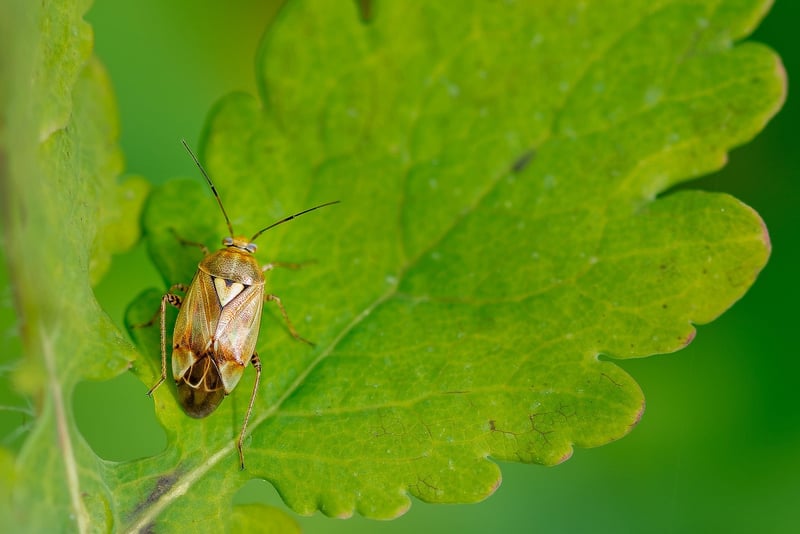
Protect Your Plants from Pests: A Comprehensive Guide
Keeping your plants safe from pests is essential for maintaining a healthy garden. In this guide, we will discuss effective ways to protect your plants from common pests and ensure they thrive.
1. Natural Pest Control Methods
Using natural pest control methods is a safe and eco-friendly way to protect your plants. Consider introducing beneficial insects like ladybugs or using neem oil spray to deter pests.
2. Regular Inspections
Inspect your plants regularly for any signs of pest infestation. Look for holes in leaves, discolored spots, or any unusual growth patterns. Early detection can help prevent pests from spreading.
3. Companion Planting
Planting certain species together can help repel pests. For example, marigolds can deter nematodes, while basil can repel mosquitoes and flies. Research companion planting options for your specific plants.
4. Proper Watering and Fertilization
Plants that are stressed due to underwatering or overfertilization are more susceptible to pest attacks. Ensure your plants receive adequate water and nutrients to keep them healthy and strong.
5. Common Pests to Watch Out For
Here are some common pests that can harm your plants:
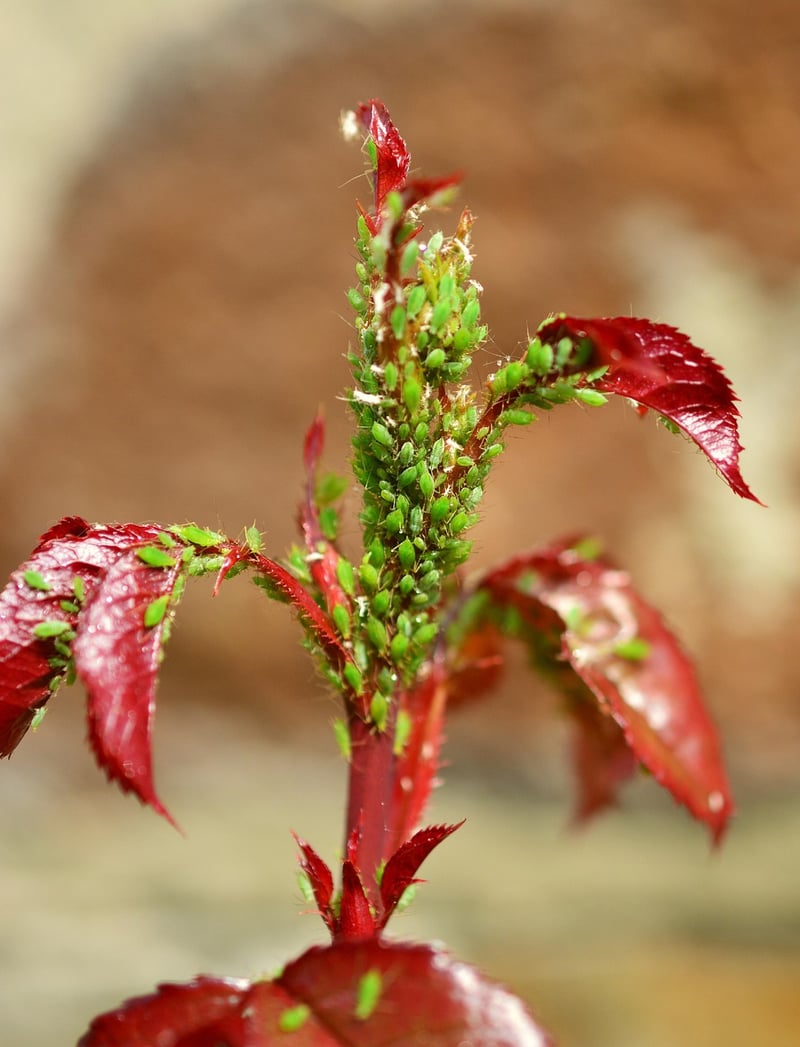
A. Aphids
Aphids are small, sap-sucking insects that can quickly multiply and damage plant tissues. They are commonly found on new growth and the underside of leaves.
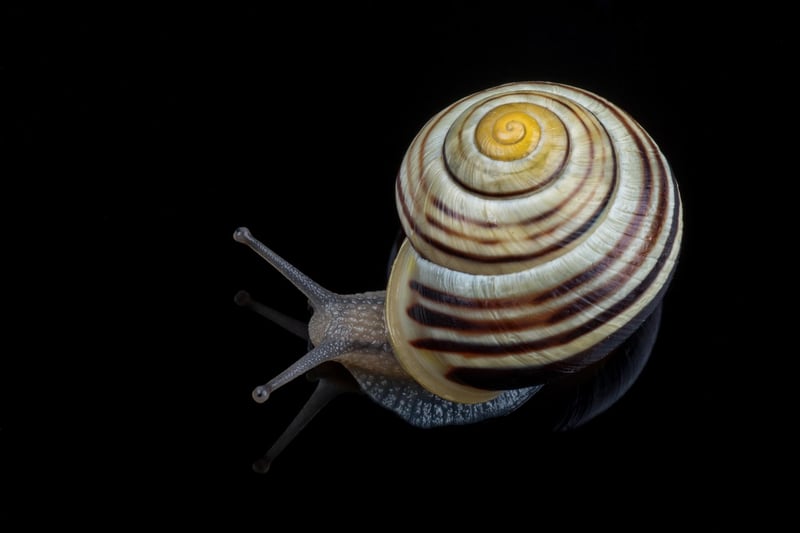
B. Slugs and Snails
These mollusks can devour entire seedlings overnight. They are often found in damp, shady areas of the garden.
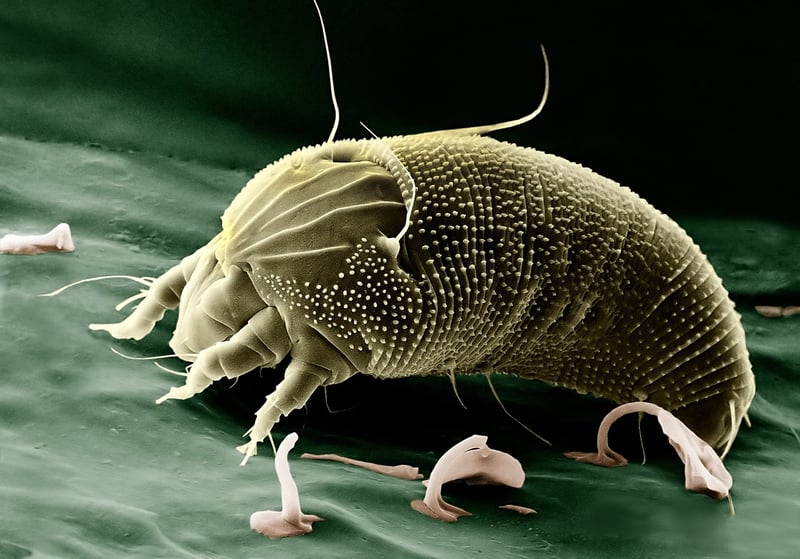
C. Spider Mites
Spider mites are tiny pests that feed on plant sap, causing stippling on leaves and webs on the plant. They thrive in hot and dry conditions.
By implementing these pest control methods and staying vigilant against common pests, you can protect your plants and enjoy a thriving garden.
Remember, a healthy garden starts with pest-free plants!